

A healthy smile helps you eat, speak, and feel confident. If you are missing one or more teeth, a dental bridge can fill the gap and restore your smile. On this page, you will learn what a dental bridge is, how it compares to dental implants, what to expect during treatment, and the different types of bridges available. Our goal is to make the process simple and clear so you can choose what is best for your smile.
What are Dental Bridges
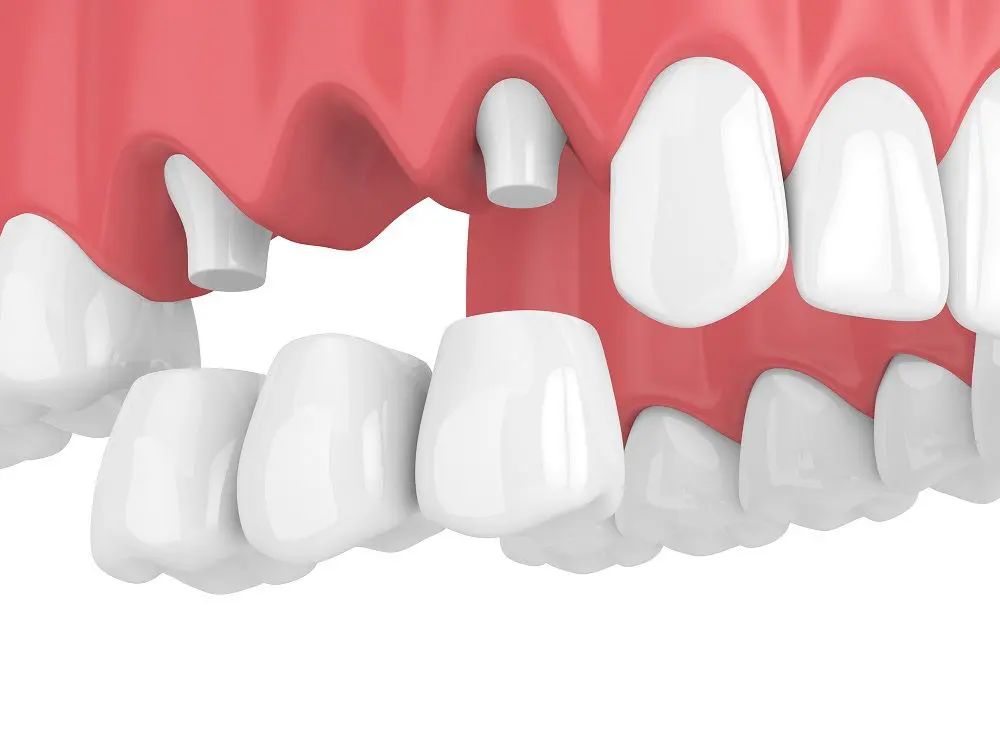
A dental bridge is a false tooth or set of false teeth used to replace missing teeth. The bridge “bridges” the gap. It is held in place by the teeth next to the space or by dental implants. The replacement tooth is called a pontic. The teeth that support the bridge are called abutments.
A bridge restores how your smile looks and works. It helps you chew and speak more easily. It also keeps your other teeth from drifting into the empty space. Without replacement, nearby teeth can shift, your bite can change, and your jaw may feel uncomfortable over time.
Bridges are custom-made to match your natural teeth in shape and color. With proper care, a bridge can last many years. Good daily brushing and flossing, along with regular dental visits, are key.
Dental Bridges vs Dental Implants
Both bridges and implants replace missing teeth, but they are different in how they work and how they are placed.
- Support and placement: A bridge is supported by the teeth next to the gap or by implants. An implant is a small titanium post placed in the jawbone to act like a tooth root. A crown is placed on top of the implant.
- Bone health: Implants help keep the jawbone strong because they stimulate the bone like a natural tooth root. Traditional bridges do not connect to the bone. If bone loss is a concern, an implant may be a better long-term choice.
- Treatment time: A traditional bridge can often be completed faster, sometimes in a few weeks. Implants usually take longer because the bone needs time to heal and fuse to the implant before the final tooth is placed.
- Impact on nearby teeth: A traditional bridge often requires shaping the teeth next to the gap to hold the bridge. Implants do not affect nearby teeth.
- Cost: Upfront costs vary. A bridge may cost less at first. An implant can cost more initially, but it may last longer and help prevent bone loss. Your dentist can review options, insurance, and payment plans with you.
- Care: Both options need daily cleaning and regular checkups. Special floss or small brushes can help clean under a bridge. Implants are cleaned like natural teeth with some extra attention to the gums.
So, which is best? It depends on your mouth, goals, health, and budget. If you want a faster solution and your nearby teeth can support a bridge, that may be a good choice. If you prefer a solution that protects bone and does not rely on nearby teeth, an implant may be better. Your dentist will examine your teeth and gums, review X-rays, and help you compare.
What to Expect
Getting a dental bridge is a step-by-step process. Here is a simple overview:
- Consultation and exam: Your dentist will check your teeth and gums, take X-rays, and discuss your goals. You will talk about options, costs, and a timeline.
- Tooth preparation (for traditional bridges): The teeth next to the gap are shaped to make room for the bridge. If you are getting an implant-supported bridge, dental implants may be placed first and allowed to heal.
- Impressions or scans: The dentist takes molds or digital scans of your teeth. These are sent to a lab to make your custom bridge. You may receive a temporary bridge to protect your teeth and keep your smile looking natural.
- Try-in and adjustments: When your bridge is ready, the dentist checks the fit, bite, and color. Small adjustments are made to ensure comfort.
- Final placement: The bridge is cemented onto your prepared teeth or attached to implants. Your dentist will check your bite and make sure you are comfortable.
- Home care instructions: You will learn how to clean under and around your bridge. Special floss threaders, water flossers, or interdental brushes can help keep the area clean.
- Follow-up visits: Regular checkups help keep your bridge and gums healthy. Your dentist will monitor your bite and make any needed tweaks.
Most patients feel little to no discomfort during the process. Local anesthesia is used when needed. After placement, some people feel mild soreness as they adjust. This usually fades within a few days. If you grind your teeth at night, your dentist may suggest a night guard to protect your bridge and natural teeth.
Types of Dental Bridges
There are several types of dental bridges. Your dentist will suggest the best option based on the location of the missing tooth, the health of nearby teeth, your bite, and your goals.
- Traditional bridge: This is the most common type. It uses crowns on the teeth next to the gap to support the replacement tooth. It is strong and works well for back teeth where chewing forces are higher.
- Cantilever bridge: This bridge is supported on only one side. It is used less often and is usually considered when there is only one tooth next to the gap. It is best for areas with lower chewing pressure.
- Maryland (resin-bonded) bridge: This bridge uses a metal or ceramic “wing” that bonds to the back of nearby teeth. It requires little to no shaping of those teeth. It is often used for front teeth. It is more conservative but may not be as strong as a traditional bridge.
- Implant-supported bridge: One or more dental implants hold the bridge in place. This option does not rely on nearby natural teeth and helps keep jawbone strong. It can replace several missing teeth in a row.
Caring for Your Bridge
Good home care helps your bridge last. Brush twice a day with a soft toothbrush and fluoride toothpaste. Floss daily, including under the bridge. A floss threader or water flosser makes this easier. Limit very sticky or hard foods that could loosen or damage the bridge. Visit your dentist every six months for checkups and cleanings, or as recommended for your needs.
Who Is a Good Candidate
Most adults with one or more missing teeth can consider a bridge. Healthy gums and good nearby teeth are important for traditional bridges. For implant-supported bridges, you need enough bone in the jaw. If you have gum disease or tooth decay, those issues should be treated first. Your dentist will review your medical history to make sure treatment is safe and comfortable for you.
Benefits You Can Expect
- A complete smile that looks natural
- Easier chewing and clearer speech
- Support for facial shape and bite alignment
- Protection against teeth shifting
- Confidence in social and work settings
Next Steps
If you are missing a tooth or several teeth, a dental bridge could be a strong, natural-looking solution. Call us at 610-600-1559 or use our online form to schedule a consultation and learn which type of bridge fits your needs, compare bridges and implants, and get a clear treatment plan. With the right care, your new smile can look great and feel comfortable for years.